Y-27632 is a highly selective, ATP-competitive inhibitor of Rho-associated coiled-coil containing protein kinase (ROCK), targeting both ROCK1 and ROCK2. It is an essential small-molecule compound used in primary cell, stem cell, and organoid culture.
- Molecular Mechanism of Action of Y-27632
Y-27632 reversibly inhibits ROCK kinase activity by competitively binding to its ATP-binding pocket. Within cells, ROCK functions downstream of the Rho GTPase signaling pathway and plays critical roles in regulating cellular contraction, migration, adhesion, and cell cycle progression. Upon activation of Rho GTPase, ROCK is activated and subsequently phosphorylates various substrates, including MYPT1, the regulatory subunit of myosin light chain phosphatase (MLCP). Phosphorylation of MYPT1 reduces MLCP activity, leading to increased phosphorylation of myosin light chain (MLC), which in turn promotes cytoskeletal contraction and remodeling. By inhibiting ROCK activity, Y-27632 prevents MYPT1 phosphorylation, maintains MLCP activity, and promotes MLC dephosphorylation, ultimately resulting in cytoskeletal relaxation and modulation of related cellular behaviors.
- Application of Y-27632 in Primary Cell Culture
In vivo, cells reside within a complex and intricate extracellular matrix (ECM) network. Through integrins, cells bind to specific ECM components (e.g., collagen, fibronectin, laminin), which not only provide physical anchorage but also continuously transmit critical survival signals. These signals activate pathways such as PI3K/Akt and FAK (focal adhesion kinase) to inhibit apoptotic programs. Upon cell dissociation, integrin-mediated signaling is disrupted, leading to Rho GTPase activation and subsequent robust activation of ROCK. Activated ROCK phosphorylates myosin light chain (MLC) and inhibits MLC phosphatase, resulting in sustained MLC phosphorylation. This induces a sharp increase in actomyosin contractility and triggers apoptosis, a process termed anoikis. As a potent ROCK inhibitor, Y-27632 significantly reduces MLC phosphorylation levels and restores normal myosin contractile activity upon ROCK inhibition. This helps maintain a relatively stable cytoskeletal structure even after detachment from the ECM, prevents apoptotic membrane blebbing, and facilitates cell reattachment.
Case Study
ACS Biomater Sci Eng. 2025 Jan 13;11(1):451-462.
In this study, researchers from Erasmus Medical Center in Rotterdam, the Netherlands, designed a 3D-printed porous flow plate with high biocompatibility to support microfluidic cell culture. To validate the utility of this plate, primary human bronchial epithelial cells (hPBEC) and primary human pulmonary microvascular endothelial cells (hMVEC) were co-cultured on the apical and basolateral sides of the plate, respectively. The plate supported mucociliary differentiation of hPBEC and rapid proliferation of hMVEC. In both primary cell cultures, Y-27632 (provided by AbMole, M1817) was used at a concentration of 5 μM.
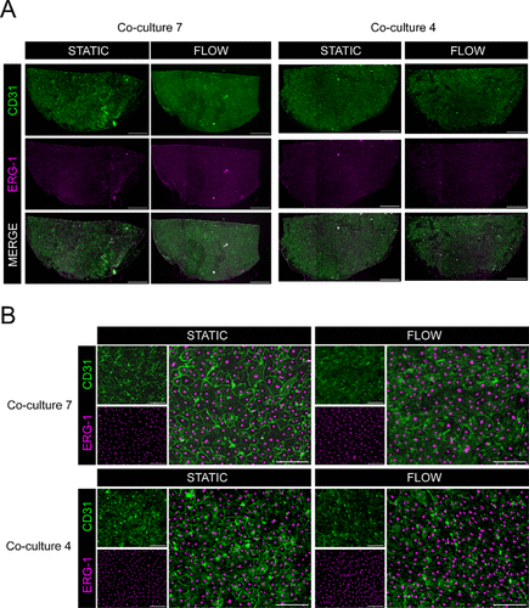
Figure 2. Co-culture of primary hMVEC and hPBEC.